DeepSearch AI is a research mode that spends several minutes reading many public sources, then writes a report on a topic or a company. A buyer, a lender or a new hire can use it on you. It reads your website, listings, reviews and news, so those need to be clear and agree.
What is DeepSearch AI?
DeepSearch AI is a research mode where the AI reads for several minutes, across many sources, then writes a report.
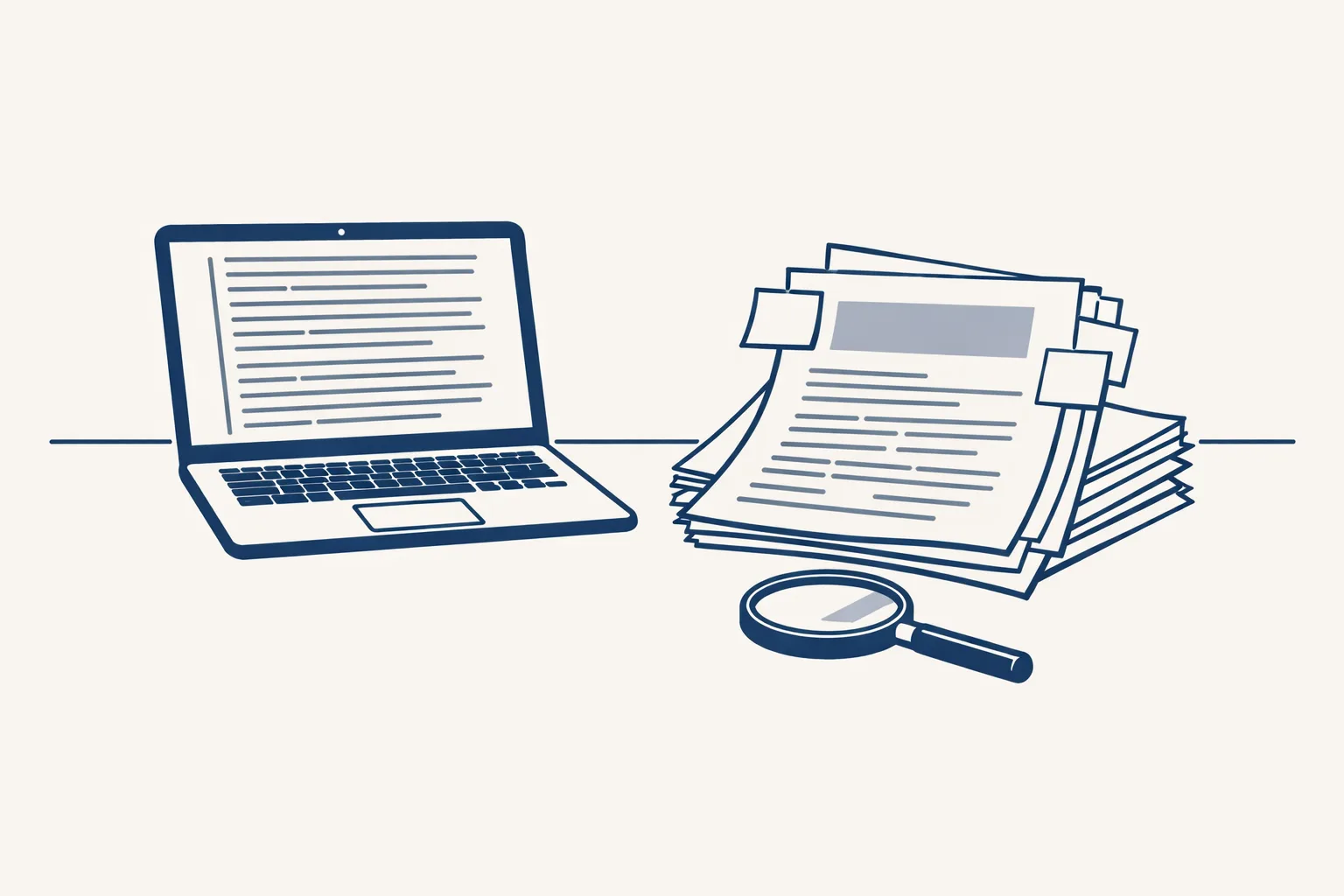
A normal AI answer takes a few seconds. A deep search takes a few minutes, because the AI keeps opening pages, following leads and checking what it found. At the end, you get a written report with the sources listed.
Say a buyer wants to know if a small fabric supplier is reliable. In the past, they'd spend an afternoon on the website, a few listings and a phone call. Now they ask for a deep search and read the report over coffee.
That buyer may be a customer, a lender, a landlord or someone thinking of working for you. They all have the same new habit: look at the report first.
Deep search tools differ in the details, but the shape is the same: a question goes in, a long read happens in the middle and a report comes out. You don't see the middle. You only see the report, and so does your reader.
What does DeepSearch AI read about your company?
It reads everything public that it can open and understand, and it treats each source as a clue.
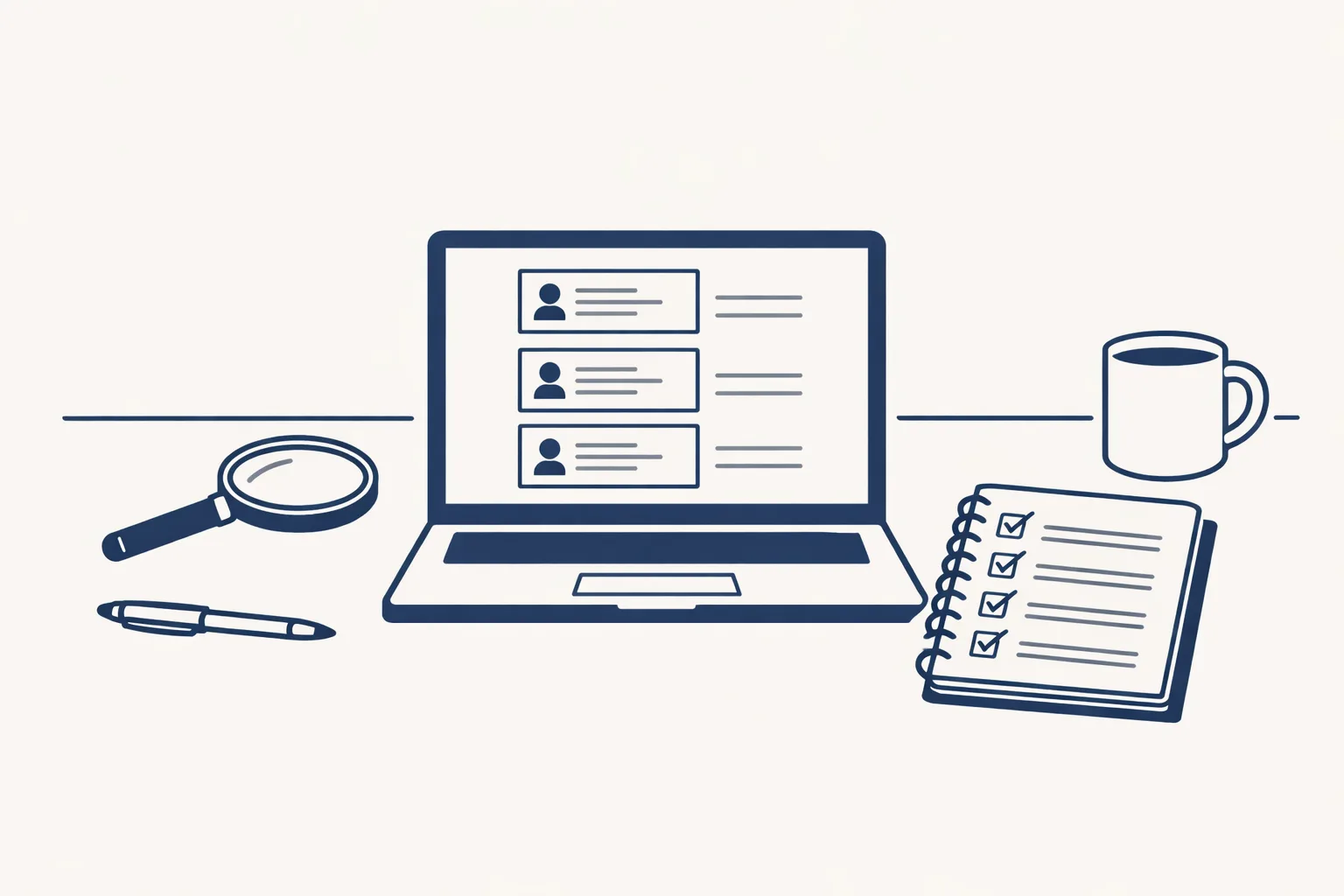
Think of a stranger who spends a whole morning researching you with no one to ask. Here is what they'd have in front of them.
- Your website: what you do, where, for whom, and how clearly you say it.
- Your listings: Google profile, directories and maps, with hours, address and phone number.
- Reviews: what customers say, and how you answer.
- News and mentions: articles, press releases and posts from others.
- Official records: company registers and public filings.
- Social pages: LinkedIn, YouTube and others, including how recent the posts are.
- Documents: public PDFs, brochures, price lists and catalogs.
What can a deep search get wrong about you?
It can only be as accurate as what it reads, so old or mixed-up facts become mistakes in the report.
Say a family restaurant moved last year. The website shows the new address, but an old directory still lists the old one. The report may mention both, or pick the wrong one. A guest then drives to an empty building.
The AI can also mix you up with another company that has a similar name. And if your site says very little, the report will say very little, or fill the gaps with guesses.
Silence is not neutral. A thin site, a stale social page or a listing with no reply to a complaint all tell the reader something. They tell it before you've said a word.
The same goes for tone. If every review of your shop mentions slow replies, the report will probably say customers find you slow to answer. It isn't unfair. It's a summary of what's written.
What would a deep search find about your company?
Tick each line that's true today. A short list of ticks means a deep search has little to work with.
How do you check what it will find?
Do the research yourself first, the way a stranger would, and write down every mismatch.
A plumber, for example, can do this in one quiet afternoon. The aim isn't to be perfect. It's to find the things that would confuse someone who knows nothing about you.
- Search your business name and read the first pages of results, not only the first result.
- Open your Google profile and compare hours, address and phone number with your website.
- Read your reviews from the newest down, and note any complaint you never answered.
- Look up your company in the public register and check the name and address match what you use.
- Open each social page and check when it was last updated.
- Ask an AI assistant to research your company, and compare its answer with the truth.
What does a good report about a small company look like?
A good report is short, true and specific. It says what the company does, where it works, how long it has been going and how to reach it.
Picture a small accounting office. A deep search finds a clear services page, a matching Google profile, a handful of warm reviews with replies and a social page that was updated last week. The report writes itself: a steady local firm that helps small shops with their books and answers customers promptly.
Now picture the same office with an old website, a listing with a wrong phone number and no replies to reviews. The report is thinner and more cautious. Same firm, different picture.
The lesson is that the report is a mirror. You can't edit the report. You can polish what it looks at.
How do you make the report better?
Make the facts clear, current and the same everywhere, and say plainly what you do.
A good "about" page is short and concrete: what you do, who for, where, since when and how to get in touch. A page of slogans gives a report nothing to quote.
Fixing mismatches is half the work. Update old listings, answer reviews politely and keep dates on your pages so a reader can see they're current.
This sits inside our SEO and GEO work, which runs today: clear pages written so AI assistants can quote them, structured data, a sitemap, Search Console set-up and a short guide file for AI assistants. Every step starts with your approval, then you choose when it goes automatic.
One more point: keep private things private. Public pages should hold public facts only, never customer names or internal numbers. The checklist below shows how a deep search would find you today.
Questions
What is the difference between DeepSearch AI and a normal AI answer?
A normal answer takes seconds and uses a few sources. A deep search takes minutes, opens many pages and writes a longer report with sources.
Who would run a deep search on my company?
Customers, suppliers, lenders, landlords, journalists and people thinking of joining you. Anyone who wants a quick, fuller picture.
Can I see what a deep search says about me?
Yes. Ask an AI assistant to research your company and read the result. You can also check each source it relied on.
What if the report is wrong?
Find the source it used and fix it, or add a clearer page. The report changes as the sources change.
Does this replace normal SEO?
No. It builds on it. Clear pages help search engines, AI answers and deep searches alike.
Tell us your workflow. We will build it around you.
Write to [email protected] with your website address, and we'll tell you plainly what a deep search would find.
Talk to us Related service: SEO and GEO