A good cold email follow up is short, kind and adds something new. Send a gentle reminder first, then a helpful note, then a polite goodbye, spaced out over a couple of weeks. Stop when someone replies, bounces or says no. These cold email follow up templates are free to copy and change.
Why do I need a follow up at all?
Most replies come after the first email, because people are busy and a first message is easy to miss.
Say a small accountancy practice writes to a local builder on a Monday morning. The builder is on a roof that week. The email sinks under forty others. Nothing was wrong with the email. It just arrived at a bad time.
A follow up also shows you take the other person seriously enough to try again. Done well, it is a sign of care, not pressure.
A short, friendly follow up lets the message come back up. It is not nagging if it is polite, brief and spaced out. It becomes nagging when you send it every day, or repeat the same words, or keep going after a no.
The cold email follow up templates below are ready to copy today. Each has a different job, so no two messages say the same thing.
So the rule is simple: a few follow ups, each one different and kind, and then you stop.
What are good cold email follow up templates?
Good templates are short, plain and each one gives a new reason to reply. Copy them, change the details and make them sound like you.
Here are four, in the order you would send them. Replace the words in brackets with your own.
Notice that none of these ask for a sale. Each asks for something small: a chat, a yes or no, a name. Small asks are easy to say yes to, and they open the door for the real conversation.
Template one, the gentle reminder: "Hi [Name], I wrote last week about [one line]. I know inboxes fill up, so I wanted to make sure it reached you. Would a short chat be useful?"
Template two, the helpful note: "Hi [Name], I thought this might help: [one useful tip or fact for their business]. If it's useful, I'm happy to say more."
Template three, the easy question: "Hi [Name], is this something you handle, or is there someone else I should ask?"
Template four, the polite goodbye: "Hi [Name], I won't keep writing. If it ever becomes useful, you know where I am. All the best with [their business]."
How long should I wait between follow ups?
Wait a few working days between messages, and stop after three or four in total.
Picture a plumber supplier writing to a builder. The first email goes out on a Tuesday. The first follow up goes on the next Monday. The second goes a week after that. The goodbye goes a week later. That's four messages in about three weeks, and each one is easy to ignore or answer.
If the buyer replies at any point, the plan changes. You stop the rhythm and write back like a person. A reply is the whole point, so don't let a schedule talk over it.
Here is a calm rhythm to start from:
- First email: your short introduction.
- A few working days later: the gentle reminder.
- About a week later: the helpful note.
- About a week later: the easy question.
- A few days later: the polite goodbye.
- Then nothing more, unless they write to you.
Is your follow up ready to send?
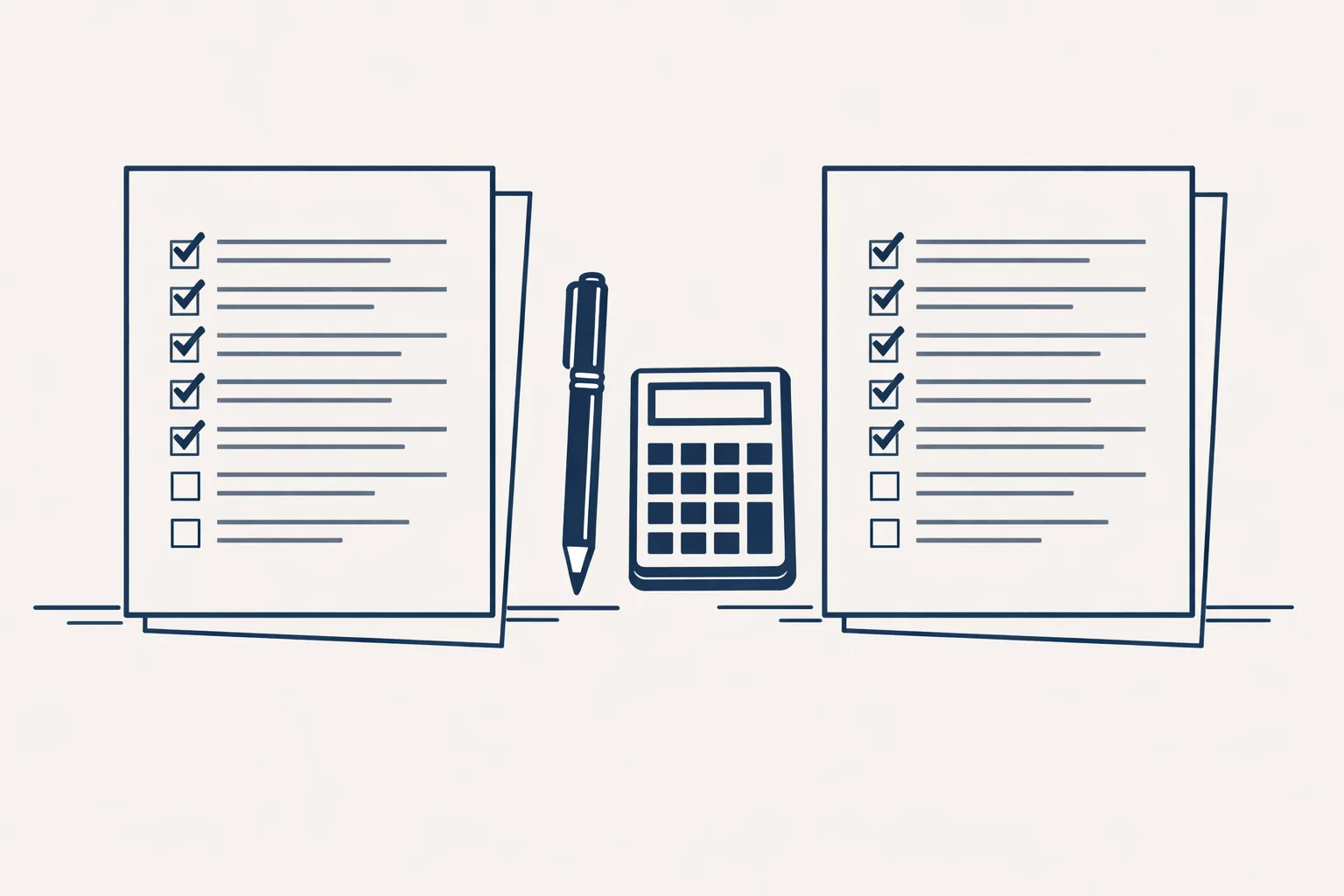
Tick every line that is true for this follow up. The result tells you whether it is ready.
What makes a follow up work better?
A follow up works better when it is short, specific and easy to answer.
Imagine a family business writing to a cafe owner. "Just checking in" gives the owner nothing to act on. "Do you buy your flour weekly or monthly?" is a question she can answer in five seconds. Small, specific questions get answered.
Try reading your draft aloud. If it sounds like something you would say to a neighbor, it is probably fine. If it sounds like a brochure, rewrite it in plainer words.
A few habits make a difference:
- Keep it under five lines.
- Reply in the same thread, so the earlier message is right there.
- Add something new each time: a fact, a tip or a question.
- Ask one thing only.
- Use the person's name and the right company name.
- Never guilt-trip with lines like "I haven't heard back" or "as I said before".
- Include a clear way to opt out.
When should I stop, and how do we handle it?
Stop at once when someone replies, bounces or says no, and keep a note so the person is never contacted again by mistake.
Say a reply arrives after the second follow up: "Not now, thanks." The sequence ends. The contact is marked in your sheet. No third message goes out.
Our own outreach works exactly this way today. Follow-ups run on a fixed rhythm, one email goes to one recipient, each one carries an opt-out line, and the sequence stops on a reply, a bounce or a no thanks. It pauses itself if too many emails bounce. You read the drafts first, then choose when it goes automatic.
For clients, drafted follow-ups for enquiries are built to order. Use the checklist below before you press send on any follow up.
Questions
How many follow ups should I send after a cold email?
Three or four in total, spaced a few working days to a week apart, then stop.
How long should I wait before a follow up?
A few working days for the first one. After that, about a week between messages.
What should a follow up say?
Something short and new: a gentle reminder, a helpful tip or one easy question.
Should I send a goodbye email?
Yes. A polite last message is kind, closes the loop and sometimes gets the reply the earlier ones did not.
When must I stop following up?
Straight away if the person replies, bounces or says no, and also after the last message in your rhythm.
Tell us your workflow. We will build it around you.
Want follow ups drafted in your own voice? Write to hello@thenewaiemployee.com and tell us about your sales emails.
Talk to us Related service: Lead lists and outreach