When you get a not interested email, reply once, kindly and briefly, and then stop. Thank the person, confirm you will not write again, and leave the door open. Ask one short question only if it helps you learn something. Never push.
What does a "not interested" email really mean?
A not interested email usually means "not now", "not you" or "not this", and rarely means "never".
Say you sell cleaning services to offices and a manager writes back, "Not interested, thanks." Maybe the contract is signed for another year. Maybe the budget is gone. Maybe your email came at a bad moment. You can't know from three words.
That's why the reply matters. A kind, short answer leaves a good impression. A pushy one earns a spam complaint, which also harms your next emails.
There are three kinds of no, and each needs a slightly different response. The polite no: "Not interested, thanks." The firm no: "Remove me from your list." The silent no: no reply at all, after a few messages. The first two get a short thank you. The third gets a calm last note and then rest.
A firm no is also a request you must follow quickly. If someone asks to be removed, take them off at once, the same day, and tell them it is done.
So treat every no as information. Write it down, thank the person, and move on.
How should I reply to a not interested email?
Reply within a day, in three short sentences: thank them, confirm you will stop, and wish them well.
Picture a small accountancy practice that wrote to a local bakery. The owner answers, "Not interested." A good reply looks like this.
"Thank you for letting me know. I won't email you again. All the best with the bakery."
That is all. No guilt, no discount, no "are you sure?". The person feels respected, and if their situation changes, you are the firm that behaved well.
What if the no is rude? Stay calm and short. A bakery owner who writes, "Stop emailing me, this is a waste of time," does not need an explanation. Write: "Sorry to have bothered you. You're off my list." Then stop. A calm reply to a rude message is the best thing you can do for your name.
Remember that people on the other side also talk. A kind reply to a no sometimes comes back later as a recommendation, or as a yes next year.
Some tips for the reply:
- Keep it under five lines.
- Use their name, and thank them for answering.
- Say clearly that you will not write again.
- Don't argue, explain or defend your offer.
- Don't add a new offer or a new link.
- Sign with your real name.
Can I ask one question before I go?
Yes, but only one, and only if the answer is useful to you and easy to give.
A plumber who offers boiler checks might add: "If you'd like, tell me in a few words what would have made this useful, so I can improve." Some people will answer. Most won't. Either is fine.
Good single questions are small and kind:
- "Is there someone else who looks after this?" Only if it is a real possibility.
- "Would it be okay to check back in a few months?" This asks for permission instead of assuming it.
- "Was it the timing, or the offer itself?" This helps you learn.
- Never ask more than one, and never ask twice.
Do you handle "no" the right way?
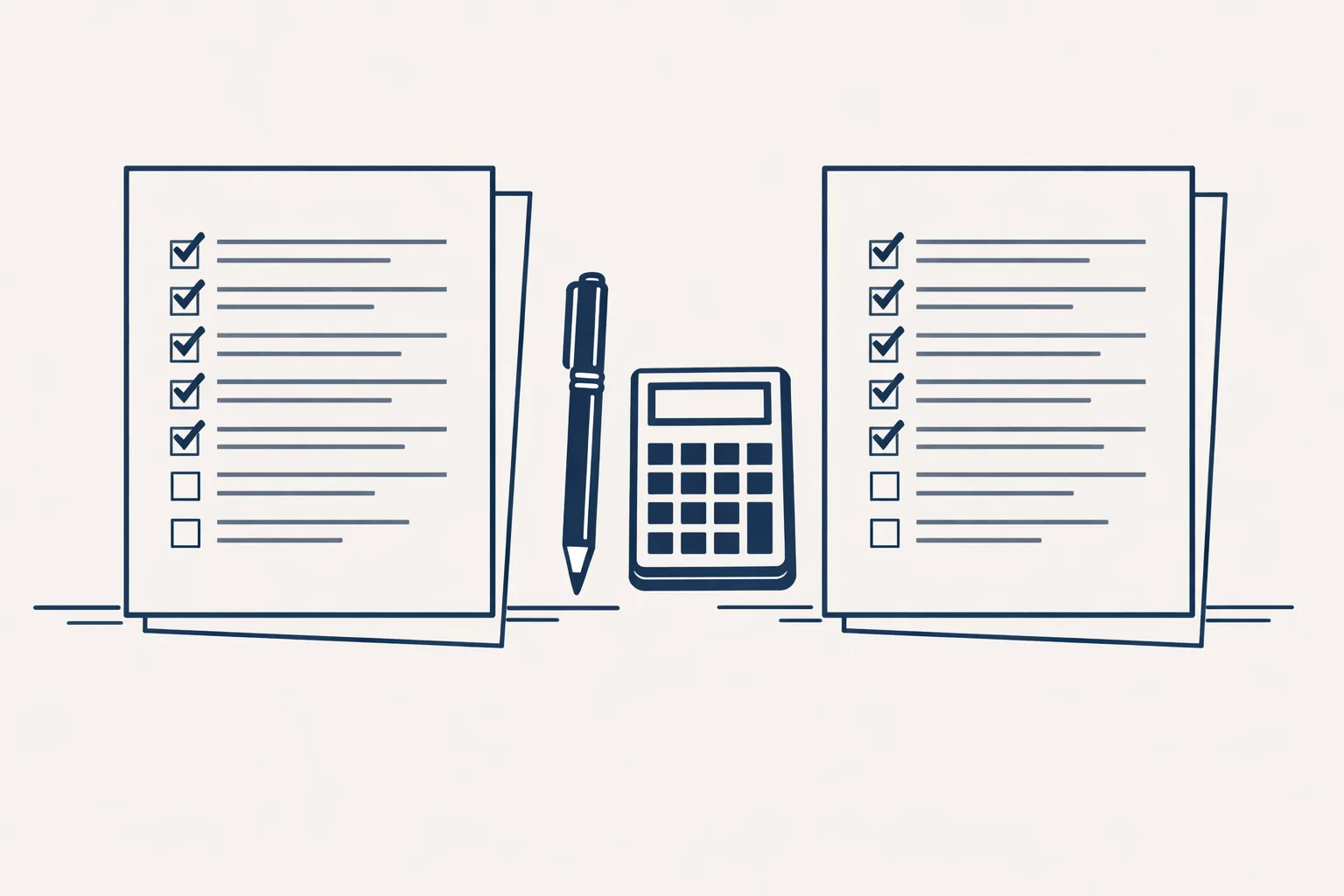
Tick every line that is true for you. The result shows how well you treat people who say no.
What should I do after I reply?
After you reply, record the answer and make sure that person gets no more emails from you.
Think of a small online shop with a list of three hundred contacts. If one person says no and gets a reminder next week, that looks careless. The fix is simple: mark the contact "not interested", with the date and the reason if you know it.
A simple record needs only five columns in your sheet: the company, the person, the date of the no, the reason and the next step. Say a wholesaler logs forty nos in a quarter. If twenty of them mention price, that is not bad luck. It's a message about the offer.
Treat the log as a free lesson. People rarely tell you why they say no, but a few will, and each reason is worth writing down.
Here are the steps to follow every time:
- Reply once, politely, within a day.
- Mark the contact as not interested in your sheet, with the date.
- Remove them from every follow-up list.
- Note the reason if they gave one: timing, price, or a competitor.
- Leave them alone, unless they ask you to come back.
- Look at your notes now and then. If many say the same thing, your offer needs a change.
How do we handle this ourselves?
Our own outreach stops the moment someone says no thanks, and that person is not contacted again.
It already works this way today for our own brand. One email goes to one recipient, each email carries an opt-out line, and the sequence stops on a reply, a bounce or a polite no. The reply to a no is a short thank you, in your own words.
For your business, drafted replies and follow-ups are built to order. We would write the reply in your voice and mark the contact in your sheet.
Use the checklist below to check your own habits with a no.
Questions
How do I reply to a not interested email?
Thank the person, confirm you won't email again and wish them well, in three short sentences.
Should I try to change their mind?
No. Pushing after a no hurts your name and can cause spam complaints.
Can I follow up after a not interested email?
Only if they ask you to, or if they gave you permission to check back later.
Should I reply at all to a no?
Yes. A short thank you is polite and confirms the person is off your list.
What should I record after a no?
The date, the person, and the reason if they gave one. Mark them as not interested and remove them from follow-ups.
Tell us your workflow. We will build it around you.
Want your replies and records kept in order? Write to hello@thenewaiemployee.com and tell us how you handle replies today.
Talk to us Related service: Lead lists and outreach