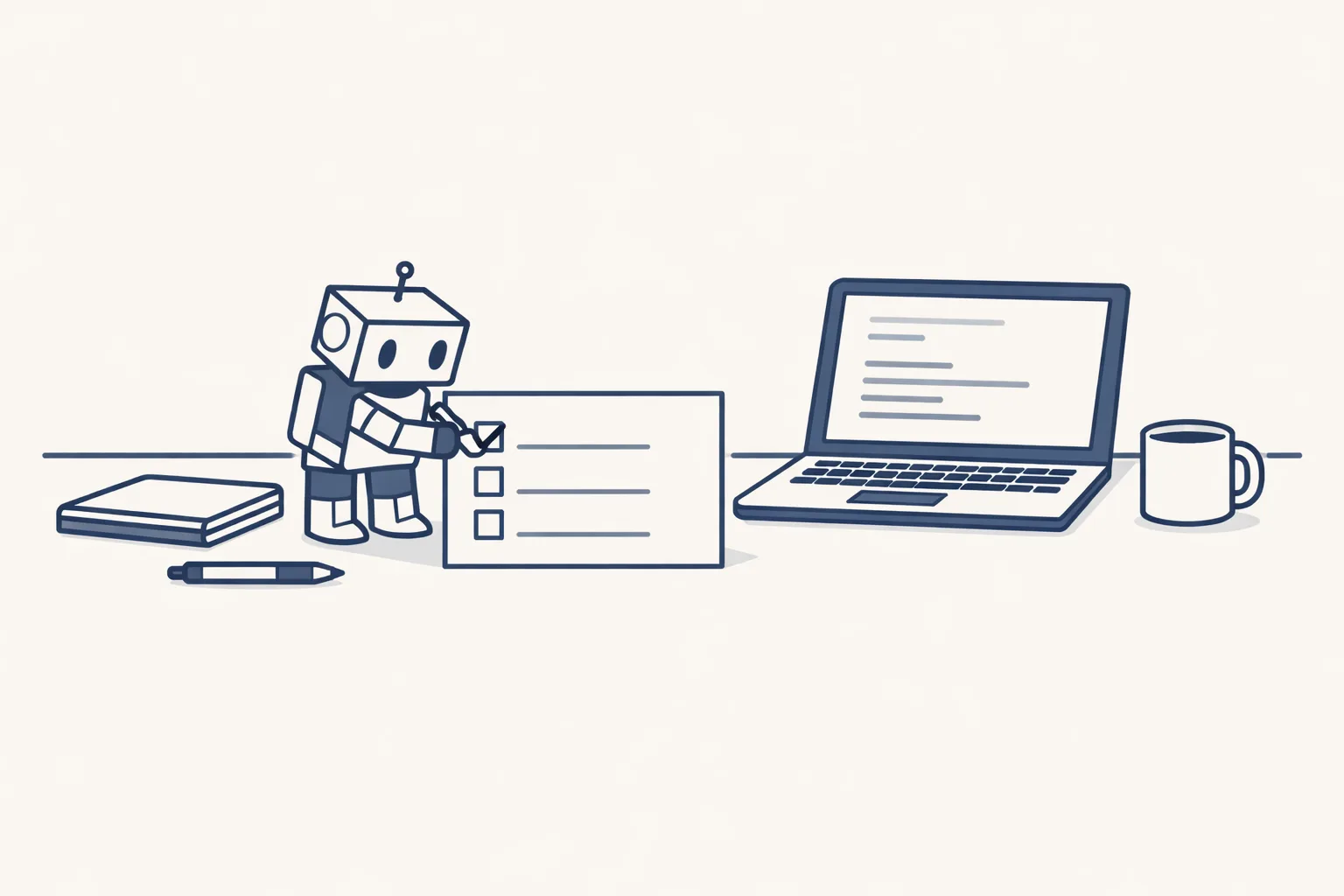
An AI agent is software that takes a goal, uses tools like your mailbox, sheets and accounting to work toward it, and brings the result back to you. It does the steps, not just the talking. A good one stays inside clear limits and checks with you before anything leaves the business.
What is an AI agent, in plain words?
An AI agent is software you give a job to, which then does the steps itself and reports back.
Say you ask a chatbot, 'How do I chase a late invoice?' It gives you advice. Now say you tell an agent, 'Find the invoices that are late and draft a reminder for each.' It opens the list, checks the dates, writes the drafts and shows them to you.
The difference is action. A chatbot talks. An agent works with your files, your mail and your software to get something done.
Most agents have the same four parts:
- A goal: what you want done.
- Tools: the places it can look and write, such as a mailbox or a sheet.
- Steps: it decides the order, one move at a time.
- A check: it stops and asks when it isn't sure.
How is an agent different from a chatbot or a script?
A chatbot answers, a script repeats, and an agent decides the next step toward a goal.
Picture a plumber's office. A script is a rule like 'every Monday, copy these rows.' It never changes. A chatbot is a helper you ask questions. An agent is closer to a junior colleague: it's told the goal, looks at what's in front of it and gets on with it.
If you have searched for ai agent examples, ai agent vs chatbot or ai agents for business, this is the plain version of all three.
That freedom is useful and risky. It's useful because real work is messy: a bill that doesn't match a template, a client who writes in a different way. It's risky because a free agent can do the wrong thing with confidence.
So the question is never only what it can do. It's also what it's allowed to do.
What can an AI agent do for a business?
An agent suits work that follows a pattern but needs a bit of judgment each time.
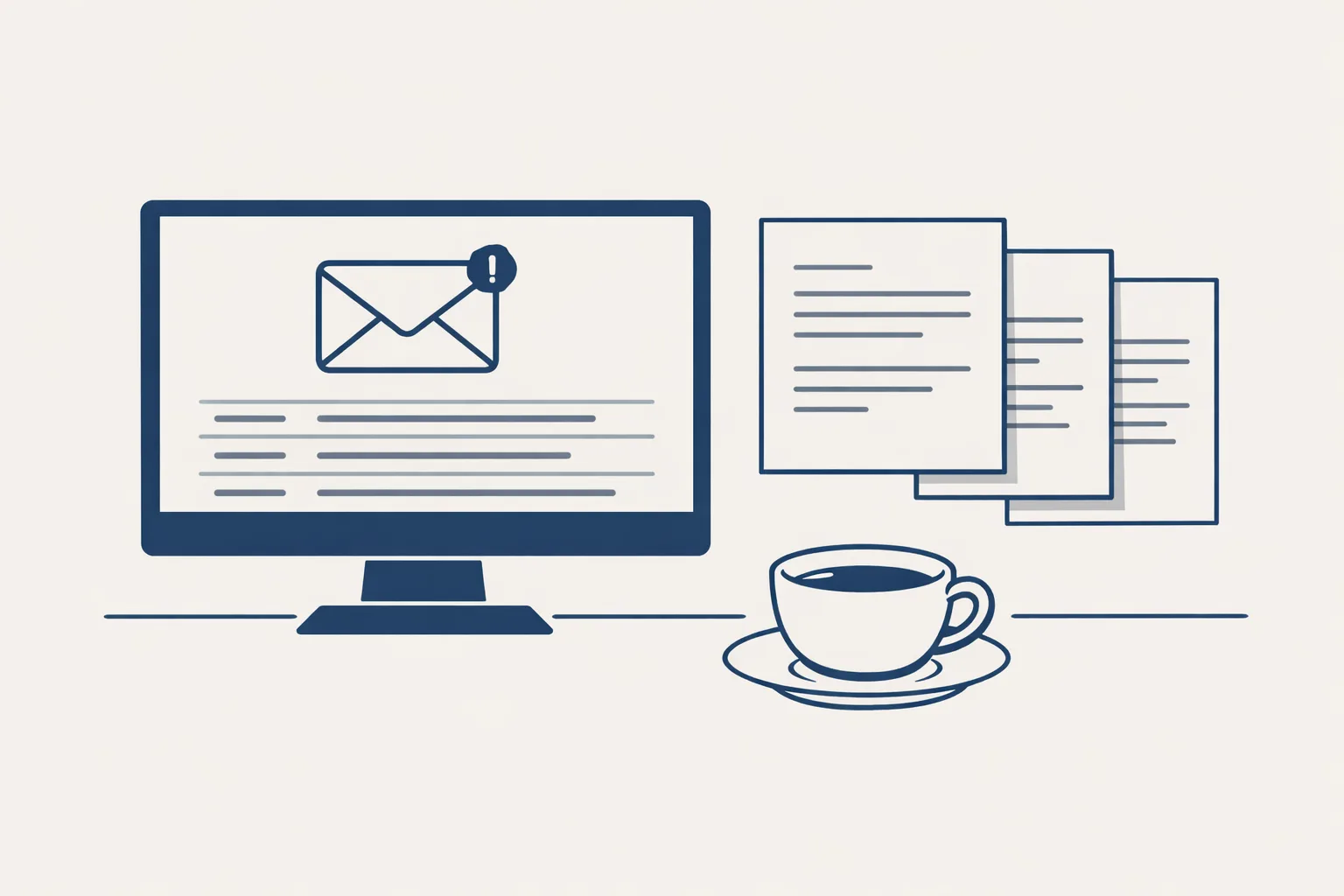
Think of a small wholesaler. Every day, bills arrive by email as PDFs. Someone reads each one, finds the supplier, types the lines into the accounts and files the PDF. That's a pattern with a little judgment, and an agent can do it.
Or think of a restaurant that gets supplier price lists by email each week. An agent can read the new list, compare it with the last one and show you which items went up.
Here is what we run today:
- Supplier bills: it reads the mailbox, recognises bills and credit notes, creates a draft bill in the accounting system with the PDF and files it under the supplier.
- Sales invoices: it turns a ready row in a sheet into a PDF, a draft invoice and a draft email.
- Purchase orders: one row, two confirmations, and the order is made and filed.
- A daily mail digest and a business brain that reads a whole archive.
Is this job right for an AI agent?
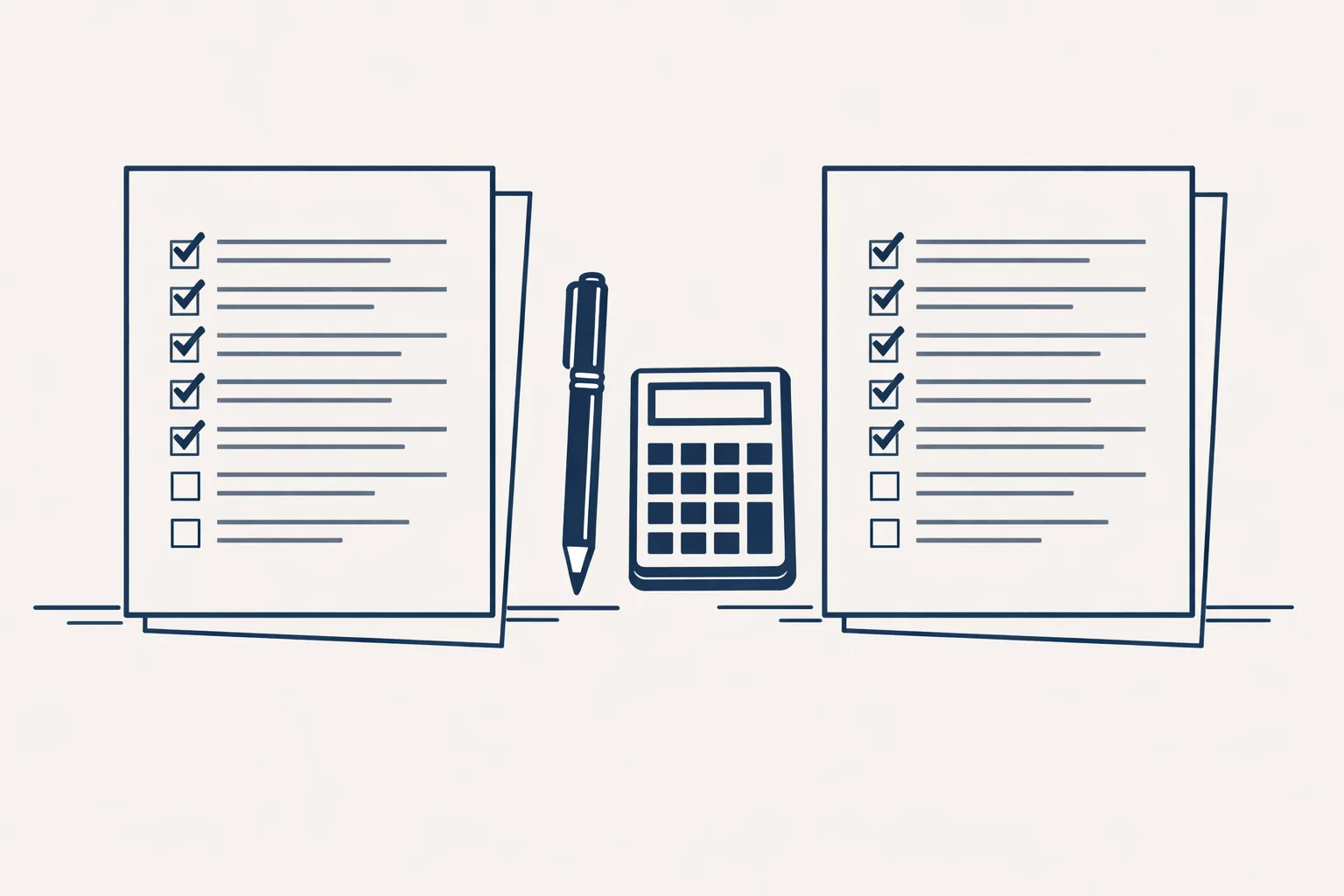
Tick each statement that is true for one job you do often. The more you tick, the better the job suits an agent.
Where does an agent need a human?
An agent needs a person wherever a mistake would be costly or the answer isn't in the records.
A bakery's agent reads a bill from a supplier it has never seen. It shouldn't guess. It sends the bill to a person and waits. A new supplier is created only after the owner says yes.
Because of this, a good agent feels calm to work with. When it's unsure, it tells you so. When it's sure, it still shows its work.
You can read its log and see every step it took, in order.
Good agents have a few clear habits. They don't invent missing details. They keep a log of what they did. They can be switched off in one command. Everything that leaves the business, such as an email or an invoice, waits as a draft until you decide.
That last point is the one to ask any provider about.
How do you know if a job is right for an agent?
A job is right for an agent when it repeats, follows rules you can explain and runs through software you already use.
Say an accountant's office files client documents every day. The rule is simple, the volume is steady and the tools are mail and folders. Good fit. A one-off negotiation with a difficult supplier is the opposite.
Not every job has to be automated. Some jobs are worth keeping personal, like a delicate call with a long-standing client.
Use the checklist below to test your own jobs. Then try this order:
- Pick one job you do over and over.
- Write down the steps as you would explain them to a new colleague.
- Note where the job needs judgment, and where it needs you.
- Decide what the agent may do alone, and what must wait for your yes.
- Start with one job and watch it for a few weeks.
Where do we fit in?
We build and run AI agents for businesses and call them AI employees, each one built around a job you give it.
They run on our servers against your own accounts: your mail, your Google, your Drive, your Xero and your sheets. You don't move anything. You rent the work, month by month, and you keep all your data.
Some of this runs for clients today. Other work, like payment reminders, bank matching or customer reply drafts, is offered, built to order. We say which is which. We don't run phone or voice agents, or chatbots on websites. Every step starts with your approval, then you choose when it goes automatic.
Questions
What is an AI agent?
It's software that takes a goal, uses your tools to work toward it and brings the result back to you.
Is an AI agent the same as a chatbot?
No. A chatbot answers questions. An agent does steps in your files, mail and software.
Can an AI agent work without a person?
It can do the steps, but good setups keep a person in charge of anything that leaves the business.
Are AI agents safe for a small business?
They can be, when they stay inside clear limits, keep a log and stop when unsure.
Do you build voice agents or website chatbots?
No. We build agents that work in your mail, files, sheets and accounts.
Tell us your workflow. We will build it around you.
Tell us one job you wish someone else would do. Write to hello@thenewaiemployee.com and we'll tell you honestly if an agent fits.
Talk to us Related service: Services